The Challenge of 365 Days a Year, 24 Hours a Day Grazing
Traditional natural pasture dairy farming passed down in Japan for generations.
When we launched in 2004, Japanese free-range dairy farms numbered so few they could be counted on one hand, making it the smallest number of farms.
However, with growing concerns about food safety and the rise of organic vegetables, interest has also shifted toward dairy products, fish, and meat. Consequently, the number of free-range dairy farms has gradually begun to increase.
Thanks to everyone’s support, our natural grazing brand has grown from our own farms to now include partner farms both within and beyond the prefecture. Together, we are committed to moving forward step by step.
The Life of Pasture Dairy Farming

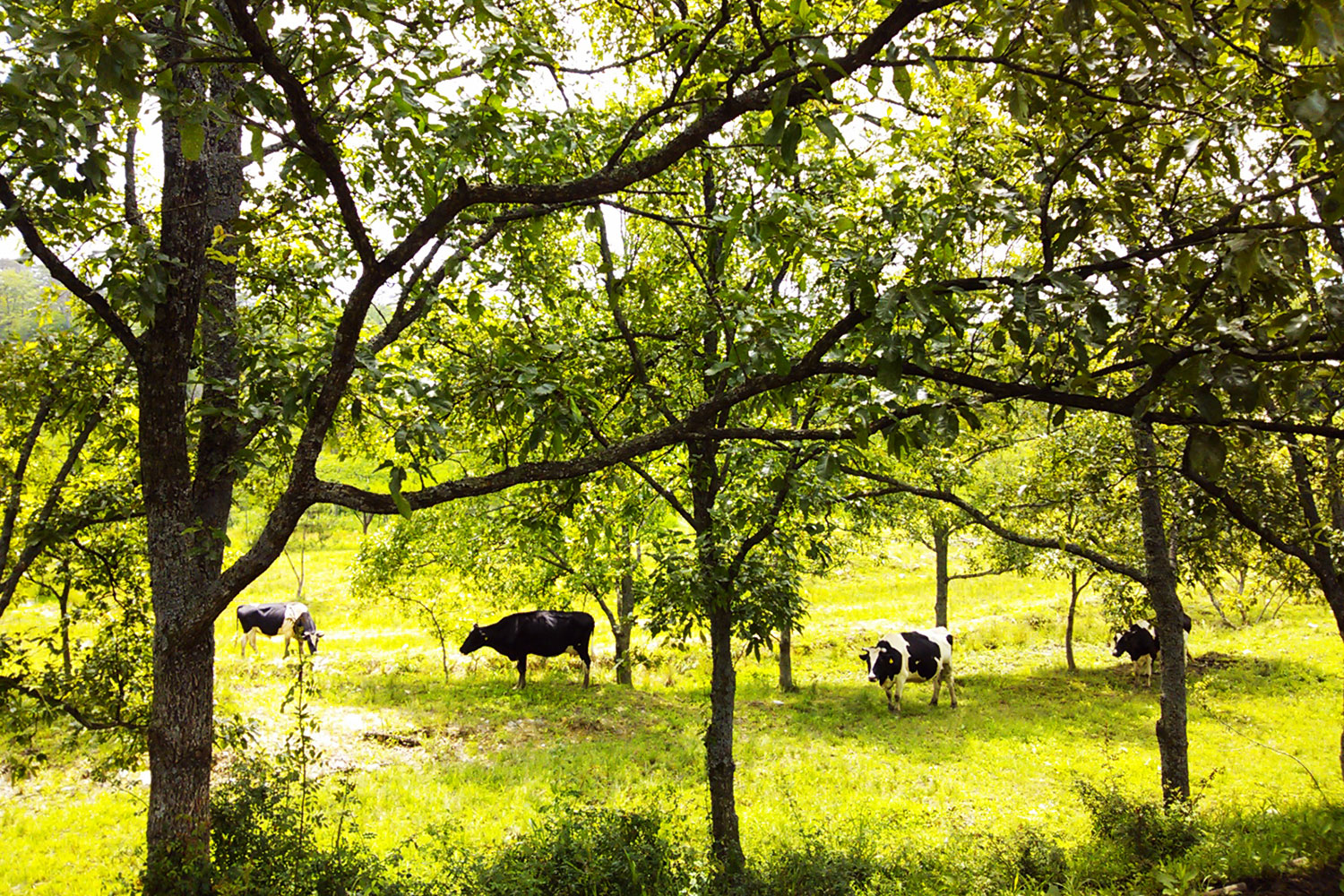
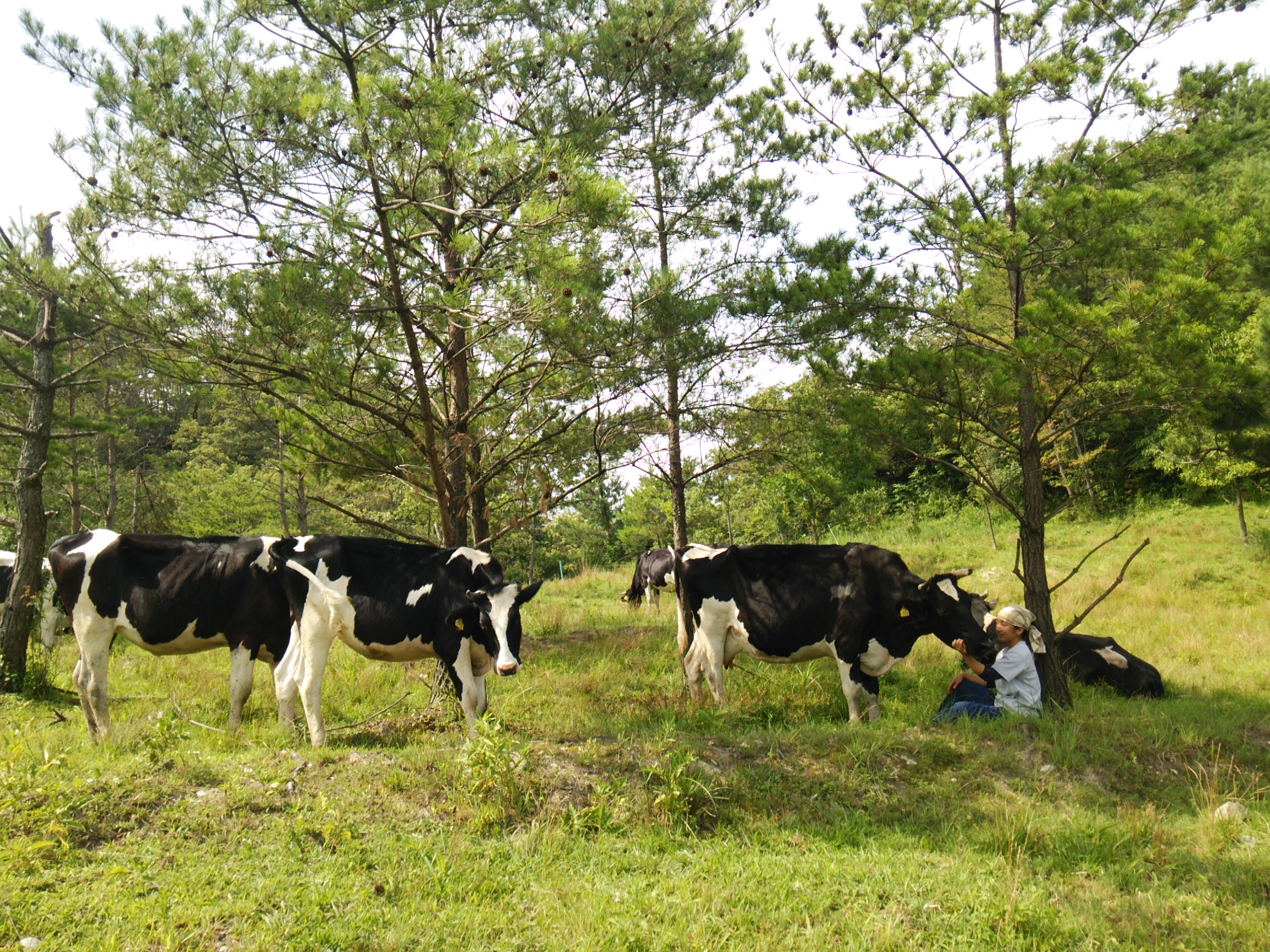
Natural grazing pastures have no barns.
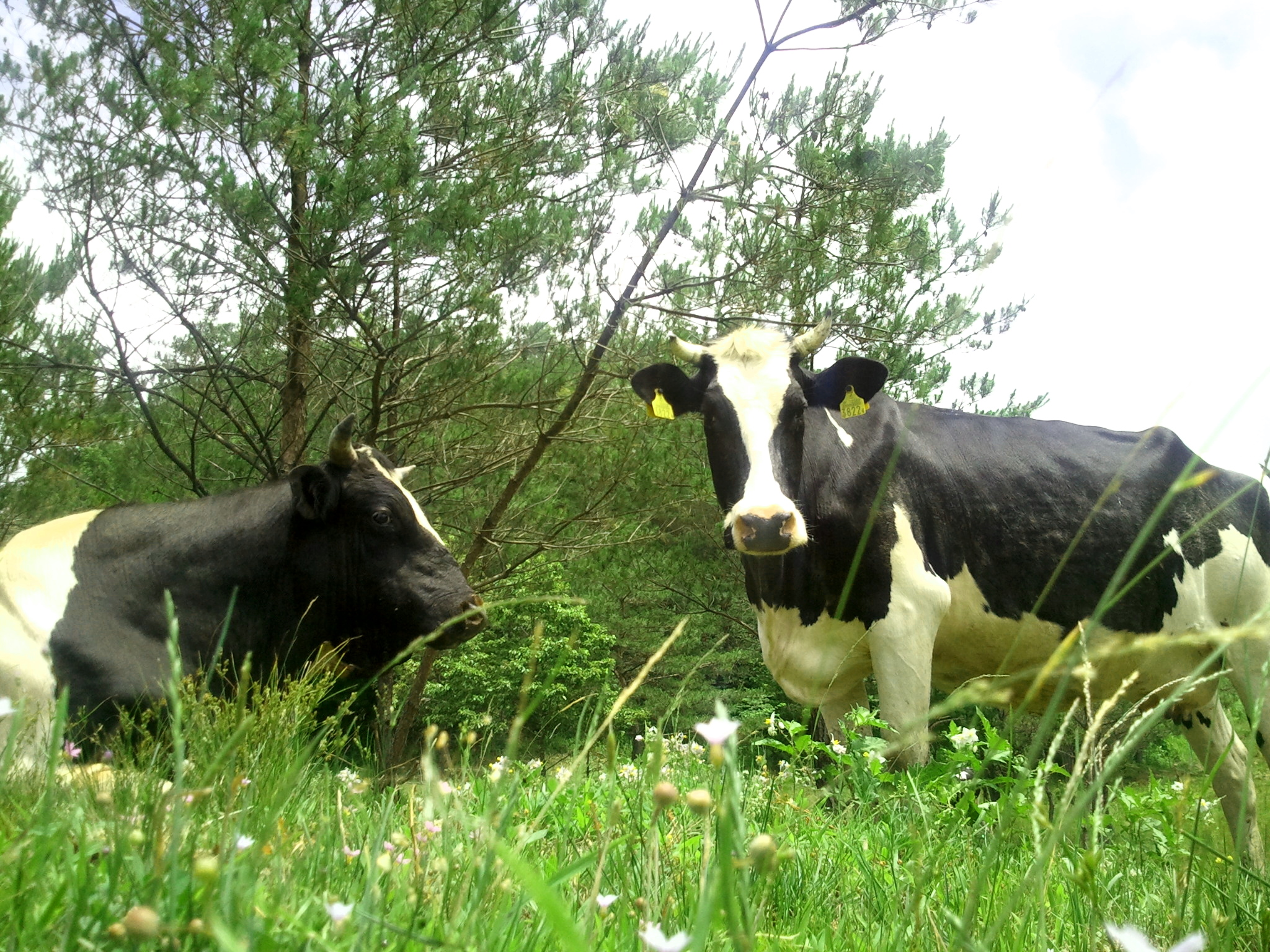
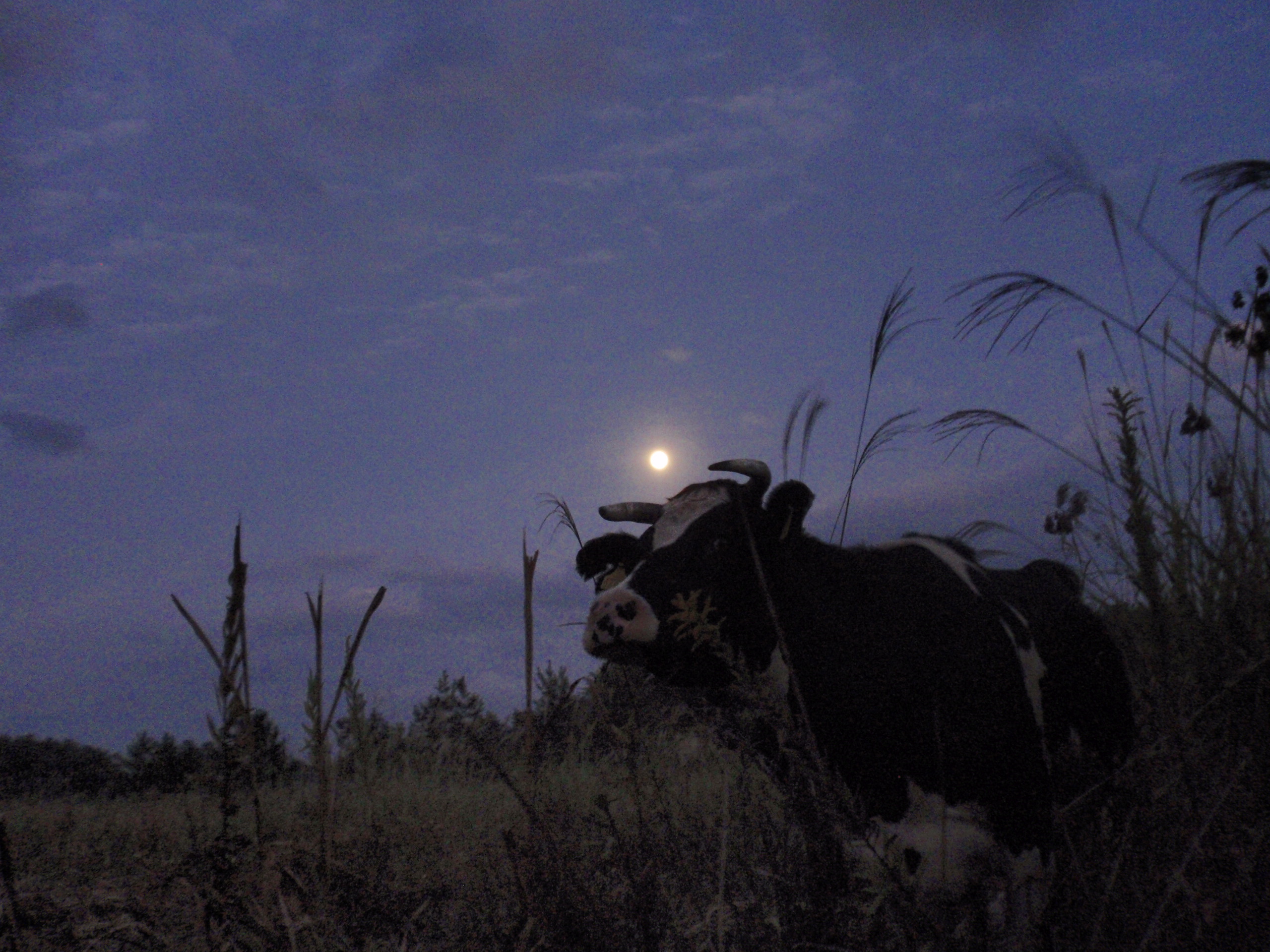
Under the starry night sky, through spring blanketed in flowers, summer’s harsh sun, autumn when even the cows have hearty appetites, and snowy winters—365 days a year, 24 hours a day, the cows live in the great outdoors.
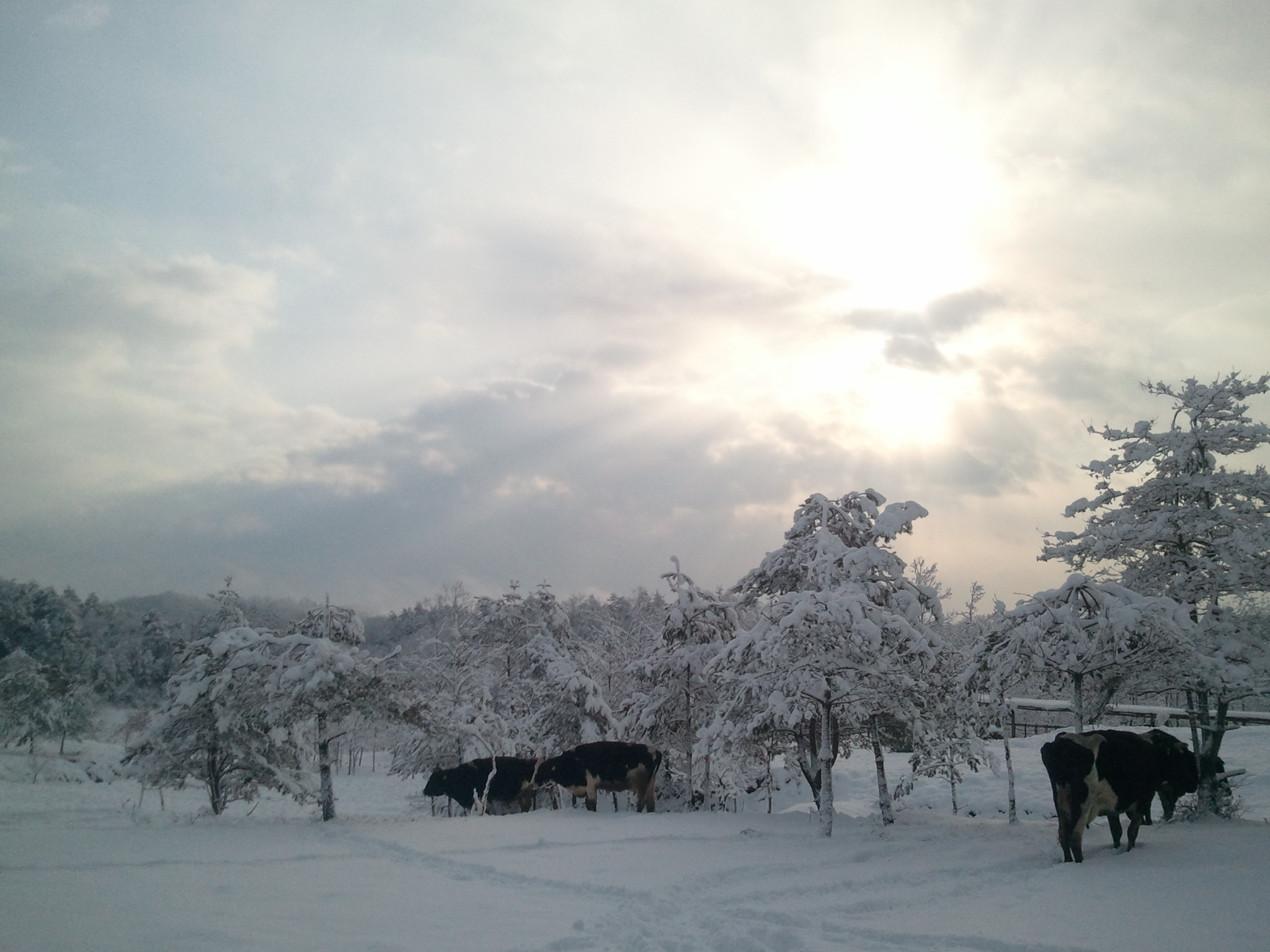
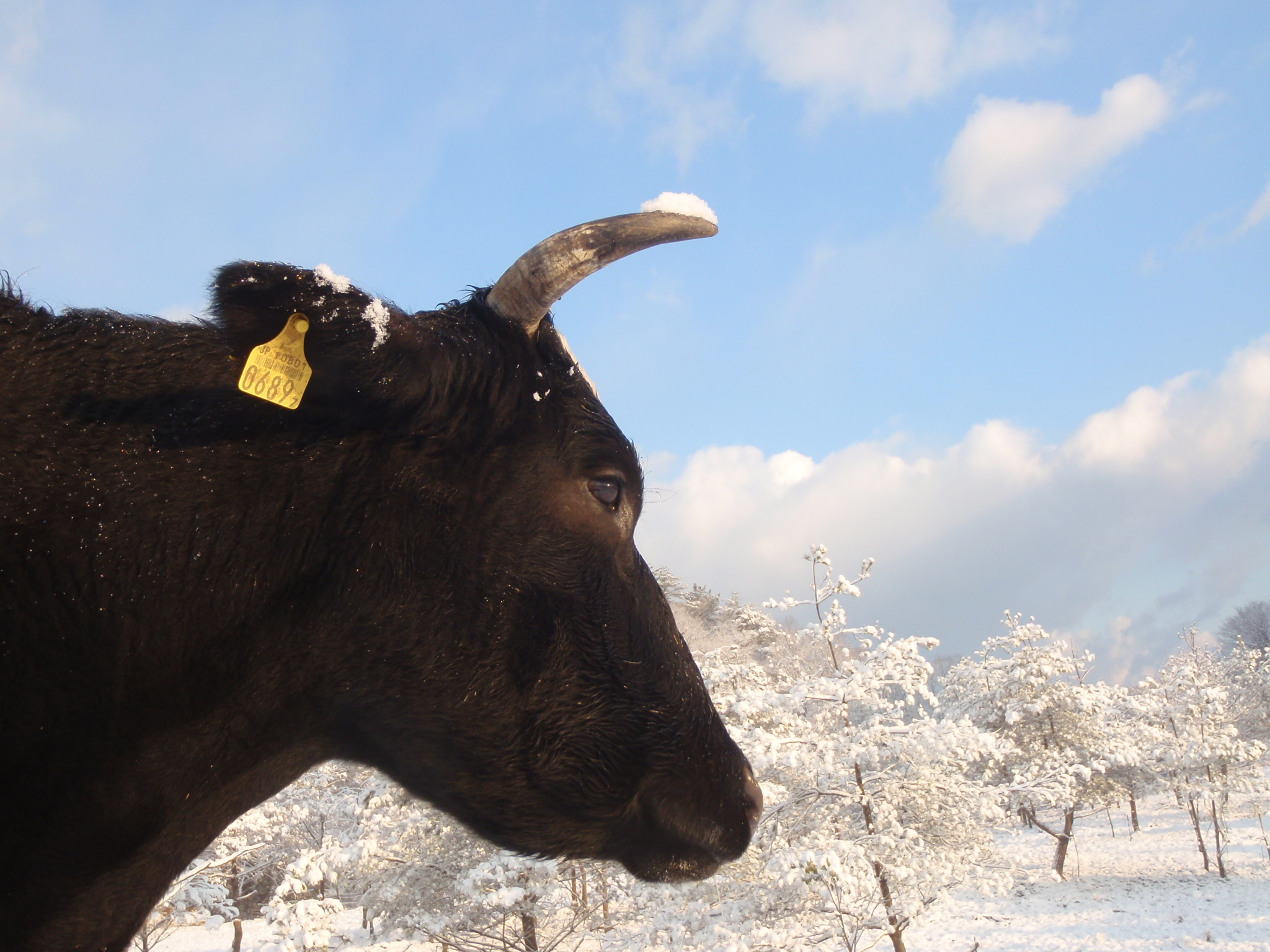
Winter is cold, but the cows grow thick winter coats, becoming fluffy like stuffed animals. However, in heavy snow regions where accumulation reaches several meters, even these resilient cows struggle to survive and may perish.
Therefore, some areas require the installation of snow shelters to protect the cows’ lives from the snow.
Assisting with grazing life
【We strive for natural mating, natural calving, and natural suckling (though artificial insemination is also performed)】
Cattle are herd animals. Even our pasture-raised cows form herds, with a hierarchy and a leader.
Occasionally, you might see them locking horns in a show of strength, but underdogs can rise to the top.
There is also one bull in the herd who detects when the cows are in heat and mates with them.
The calves that are born are raised by their mothers.
Aiming for Domestic Grazed Milk
【Grass is the Main Feed】
Our cows’ diet is based primarily on grass, which forms the foundation of our grass-fed milk production.
Other feeds are provided only as occasional treats—helping weaker cows maintain their weight, supplementing nutrition for pregnant cows, and supporting the overall health of the herd.
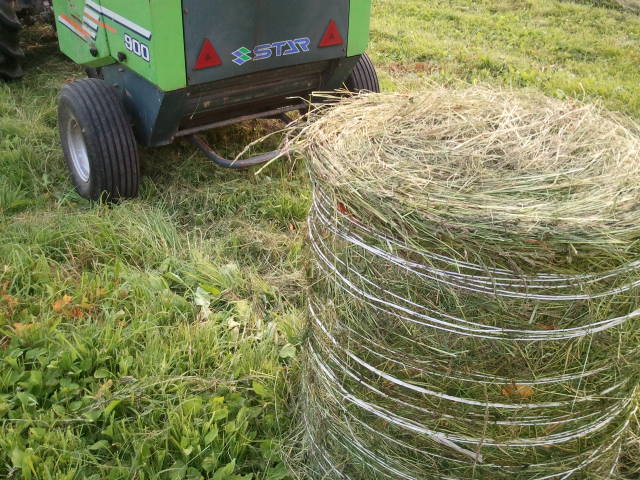
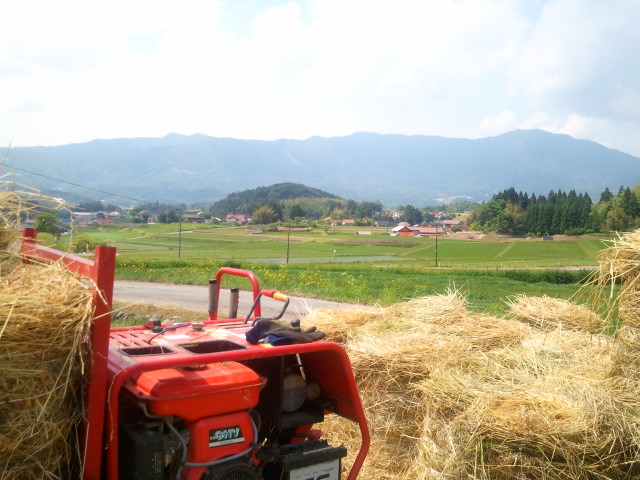
(Main) Fresh grass (spring, summer, fall), Hay (spring, summer, autumn, winter), Rice straw silage (spring, summer, autumn, winter)
(Snack) Okara, Plums from plum wine, Sake lees, Wine lees, Beer lees, Soybeans, Rice bran
Clarify the conditions for using medication
【Regarding Medication Use】
Usage of medication is strictly limited to times of illness or injury, under the guidance of a veterinarian.
During the summer to autumn period, ticks (the ones notorious for biting humans) swarm the cattle once every one to two months, causing them significant stress. To prevent infestations and deworm them, we sometimes apply insect repellent.