Restoring the pride of the community
Onan Hiwa Kogen The brand using 100% raw milk
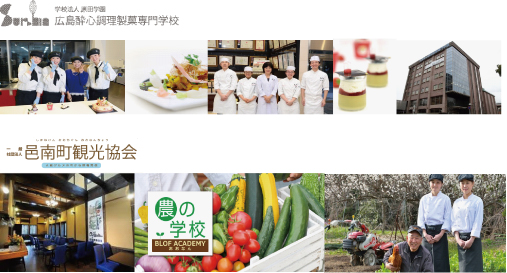
The Onan Hiwa Highlands Brand is a new form of “regional-urban exchange” initiative that also incorporates experiential learning. It stems from the desire for students aspiring to become chefs and pastry chefs of the next generation to “learn about ingredient productions such as agriculture and dairy farming—at the source, something they cannot normally do. We want them to personally feel, think about, and cultivate their own ‘approach to ingredients’ that they use daily.”
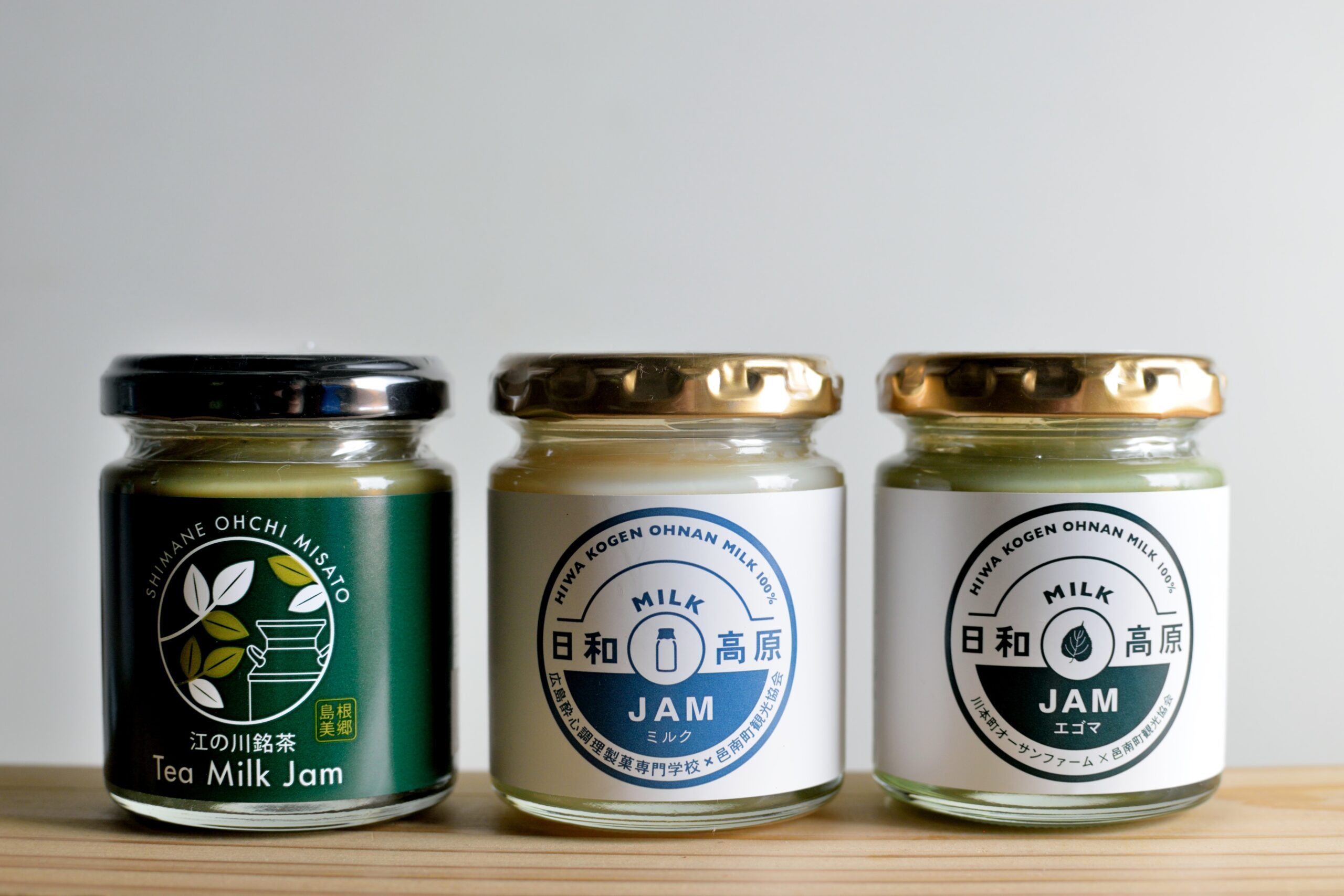
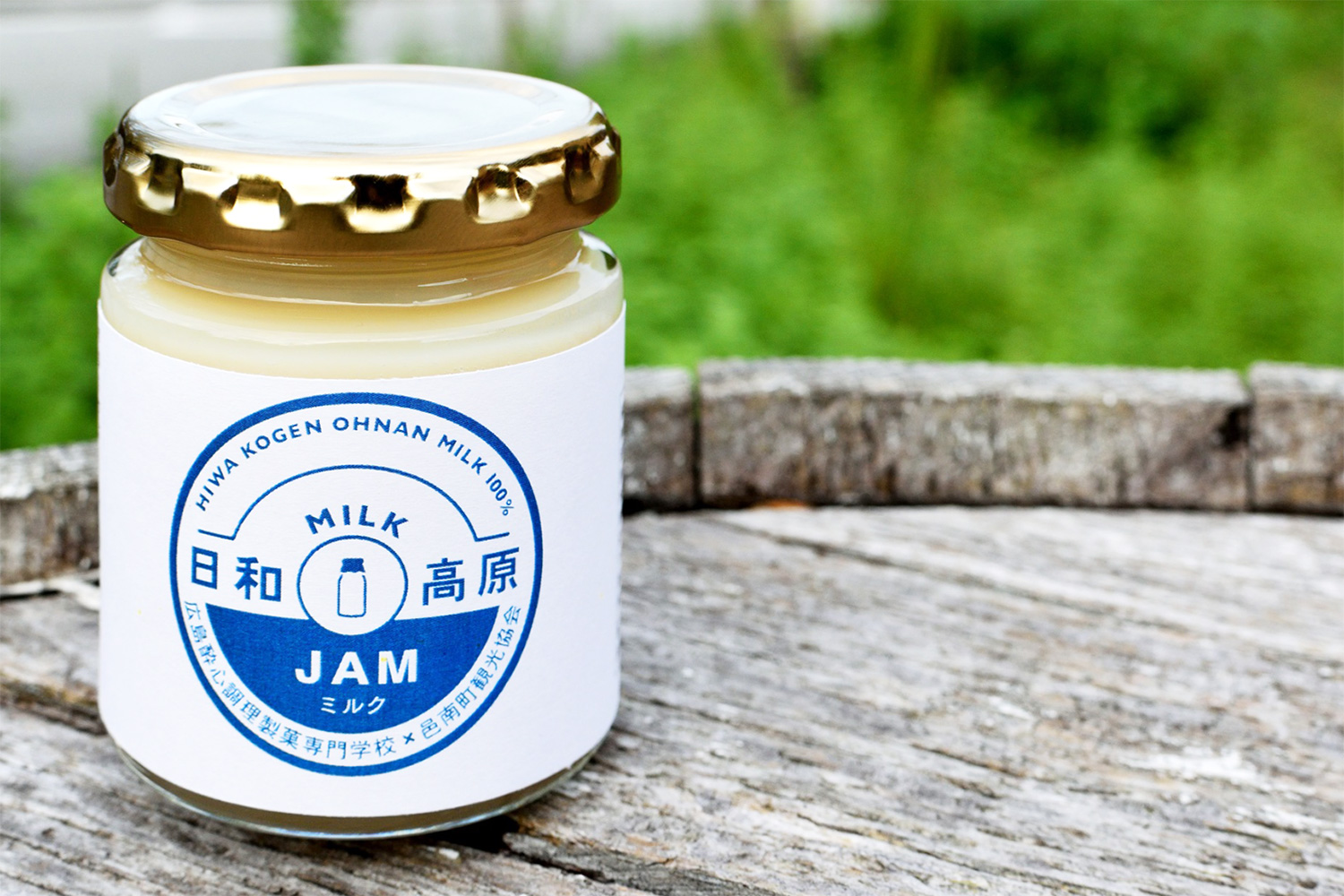
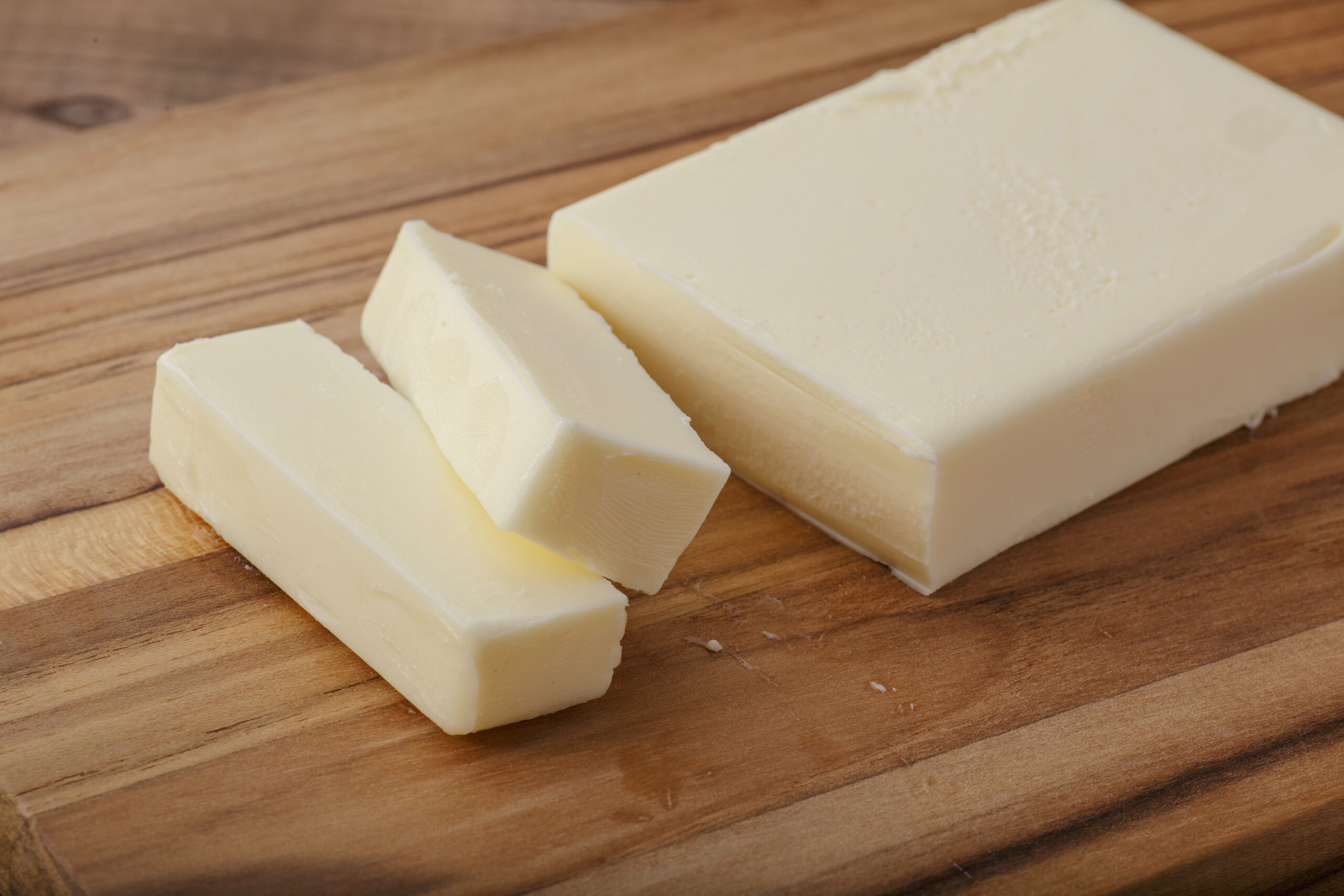
As our first initiative, we are moving forward with the development of “Onan Hiwa Highlands Butter” and “Onan Hiwa Highlands Milk Jam”.
For the time being, the butter produced in Onan-cho will be used by the students of Hiroshima Suishin College of Cooking & Confectionery in their pastry training.
Together, we will continue to improve the quality and aim for the very pinnacle of excellence in Japan!
And from the butter-making process comes our Onan Hiwa Highlands Milk Jam, created by gently simmering our low-fat, low-calorie, and highly nutritious milk for eight hours until only the moisture is reduced. What makes it special is that it contains no fresh cream or starch syrup—just two simple ingredients: nutrient-rich low-fat milk and sugar, slowly condensed into pure flavor.
We are also planning to develop other dairy products such as a Calpis-style beverage and fromage blan. Please look forward to what’s to come!
Our Development Story
A dream that started in the Hiwa Highlands.
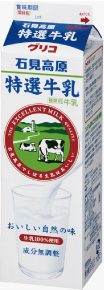
The current “Iwami Highlands Premium Milk” is produced using raw milk sourced from the Mizuho and Hiwa regions of Onan-cho, located at the foot of Mount Sanbe in Ōda City, Shimane Prefecture—a region famous for the World Heritage Site Iwami Ginzan Silver Mine.
The roots of “Iwami Highlands Premium Milk” lie in “Hiwa Highlands Milk,” which was produced exclusively from raw milk sourced from the Hiwa region.
About 30 years ago, one of the places approached by Glico Kyodo Milk Industry Co.,LTD at the time, when they sought to launch highland milk sourced from quality regions across Japan, was Hiwa Highlands.
Glory and Demise
The dairy farmers of our region—our elders, the parents and grandparents who were active at that time—were passionate about creating products that could be marketed nationwide from the countryside. They repeatedly challenged themselves and conducted research every day to meet those strict standards (solid not fat, milk fat, bacterial count, somatic cell count).
To say that standards achieved nearly 30 years ago still hold true today makes it easy to imagine how incredibly difficult it must have been back then, when information, technology, and machinery were scarce.
And in an era when information didn’t arrive instantly or come easily as it does now, the pride of rising from the countryside to become a nationally recognized name must truly have felt like a dream.
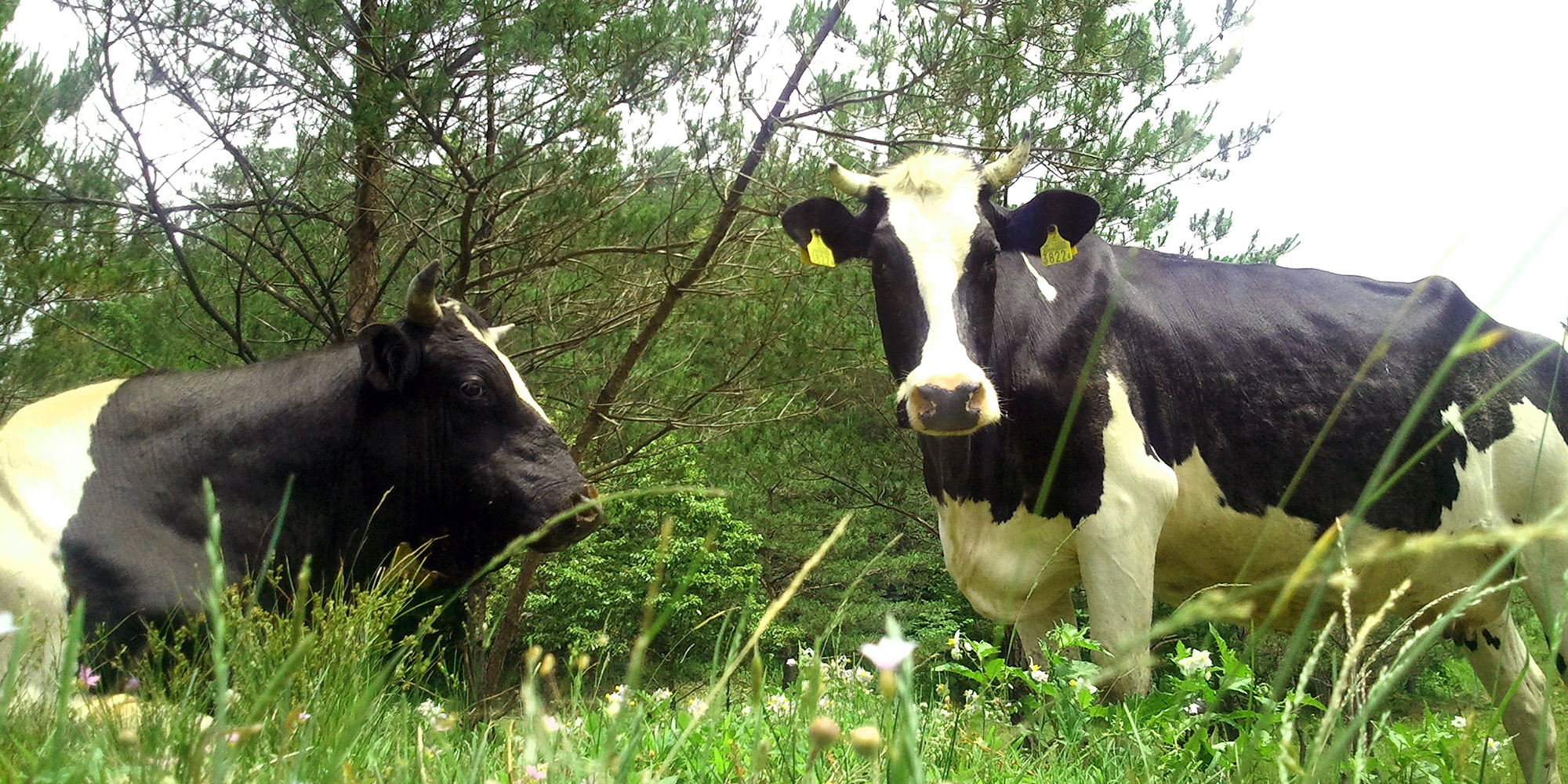
The people of the Hiwa region, including Sakane-san of Sakane Farm who runs a ranch in Hiwa, grew up watching their fathers and seniors pursue that dream and finally realize the production of “Hiwa Highlands Milk.”
Achieving Glico’s stringent standards, “Hiwa Highlands Milk” was commercialized and cherished as a source of regional pride.
As time passed and milk production declined, it is now sold as “Iwami Highlands Premium Milk” using raw milk from Ochi-gun, and the name “Hiwa Highlands Milk” has disappeared.
Connecting the future with pieces of local pride
In 2011, Onan-cho launched a community revitalization initiative centered on “Grade A gourmet” cuisine, aiming to brand unique local foods and experiences found only here.
While this move, various pieces were gathering, and the route of product development was established using Hiwa Highlands Milk again.
・The improve value and sales expansion
of Onan-cho bland from the broadcast of A-Class Gourmet.
・A growing desire to preserve the pride of the region (its traditions and food culture)
・The agreement with Hiroshima Suishin College of Cooking & Confectionery
・Cooperation from Associate Professor Maehashi, Department of Fermentation Science and Technology, Faculty of Applied Biological, Tokyo University of Agriculture
・Cooperation from Sakane Farm, which operates a ranch in Hiwa Highlands
・Recipes developed through the Food School and Cultivating Chefs initiative, with personnel cooperation
It started as a joke
The beginning of the start was a discussion from the Hiroshima Suishin College of Cooking & Confectionery concluded an agreement with Onan-cho.
In recent years, we often hear about butter shortages. Back when the agreement was made, butter was scarce too, and the principal mentioned how difficult it made pastry classes.
“I wonder if we could get butter instead of the agreement.”
That led me to think, “Since Onan-cho has plenty of raw milk, it should be fine.” Upon checking, I found that butter only uses 5% of the raw milk’s components, while 95% becomes low-fat milk.
Low-fat milk is cheaper than whole milk, so even if customers bought the 5% butter, we couldn’t find a way to effectively utilize the remaining 95% low-fat milk. Consequently, this idea was shelved for the time being.
Around that time, the Onan-cho Tourism Association was discussing fermented product development with Associate Professor Maehashi of Tokyo University of Agriculture. The idea emerged: “What if we made fermented milk jam? That could be interesting.”
It seemed promising both as a local specialty and as a value-added product. “This… might just work!!”
When we told the principal about this, he said, “That’s interesting.”
However, the tourism association doesn’t have the money to buy the device.
“Then let’s cover the cost of that device!” said the principal.
Thus, the tourism association established a system: sourcing local raw milk to produce butter delivered to Suishin College of Cooking & Confectionery, purchasing the remaining low-fat milk, manufacturing it using the acquired equipment, and selling it to generate funds for the association.
The road has its peaks and valleys
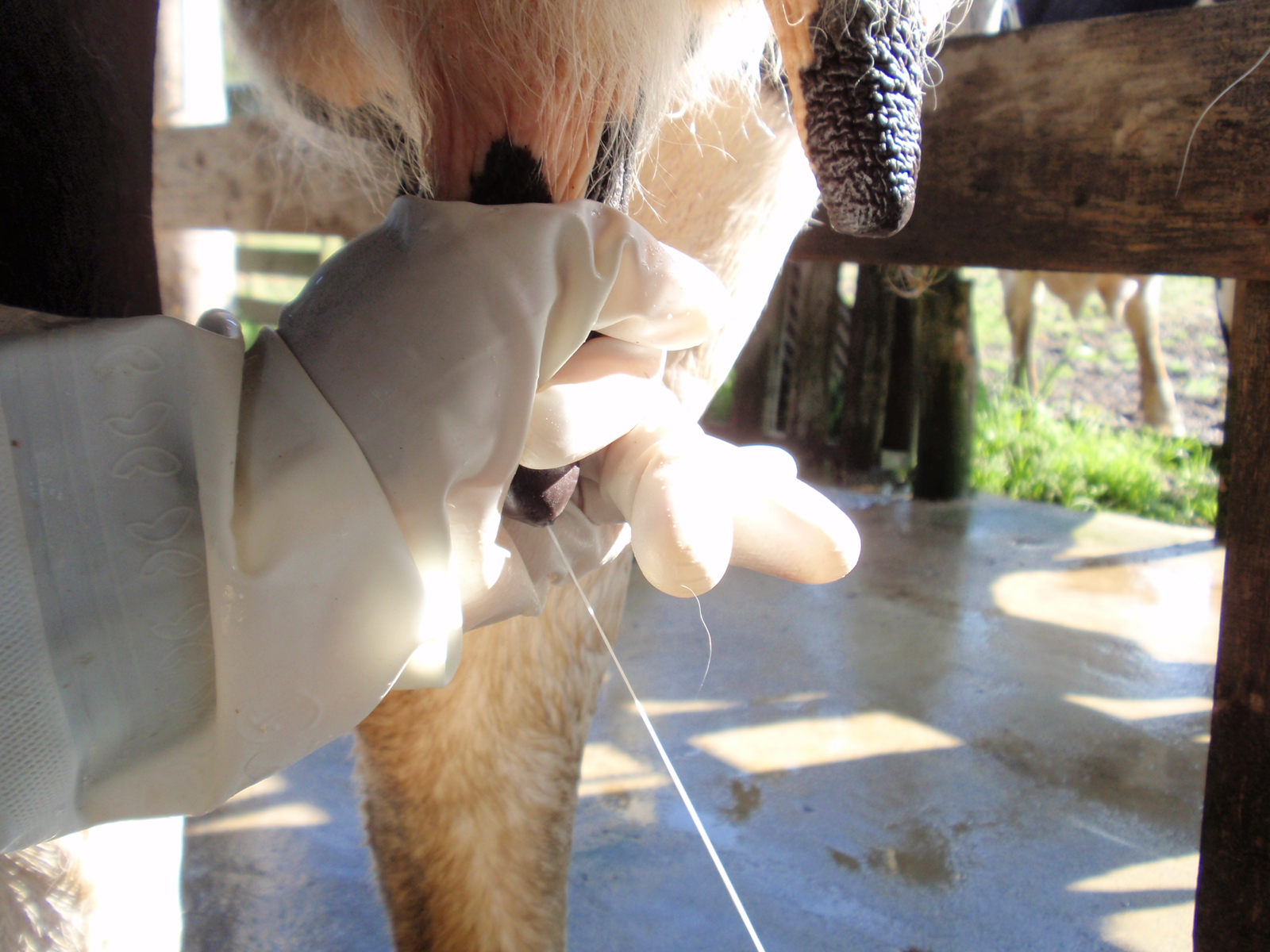
Once we had a plan in place, we went to the prefecture to discuss applying for permits. We learned that since subsidies are provided to dairy farmers for raw milk intended for butter production, an enormous amount of paperwork is required.
Furthermore, since sourcing raw milk for butter production involves issues like quality checks and hygiene management, we consulted the Chugoku Raw Milk Sales Agricultural Cooperative Federation, the designated raw milk producer organization for the Chugoku region.
Most of Japan’s butter is produced in Hokkaido, where they are accustomed to applying for subsidies and distributing them to dairy farmers… but this is Onan-cho.
Neither the prefecture, the town, the producers, nor Chugoku Raw Milk Sales Agricultural Cooperative Federation have any precedent for making specialty butter eligible for subsidies.
Moreover, the application process was extremely cumbersome, and the subsequent subsidies and added value as regional specialty products required ongoing administrative procedures.
Moreover, the program was disproportionately focused on the small, specific area of Hiwa rather than benefiting a large number of dairy farmers.
And while it was called a subsidy, the actual amount was truly minimal. For the farms, it was just a hassle creating more paperwork. Furthermore, since it involved supplying only small quantities of raw materials for butter and milk jam, it simply wasn’t worth the effort for new participants to start.
Dreams are made to come true
It wasn’t a deal that made financial sense,
but Sakane-san, the producer, agreed to cooperate—motivated by the desire to once again see the name “Hiwa Highlands Milk” on the label.
The disappearance of the “Hiwa Highlands Milk” brand—once a source of local pride—led to a sharp decline in motivation among dairy farmers.
Some even went so far as to say they didn’t want their children to take over the farm. If we do not change the trend, there will be no future for dairy farming in the region.
In addition, Chugoku Raw Milk Sales Agricultural Cooperative Federation supported the future of regional dairy by agreeing to purchase raw milk at a slightly higher price than usual, helping to preserve the local milk brand and encourage the creation of value-added products.
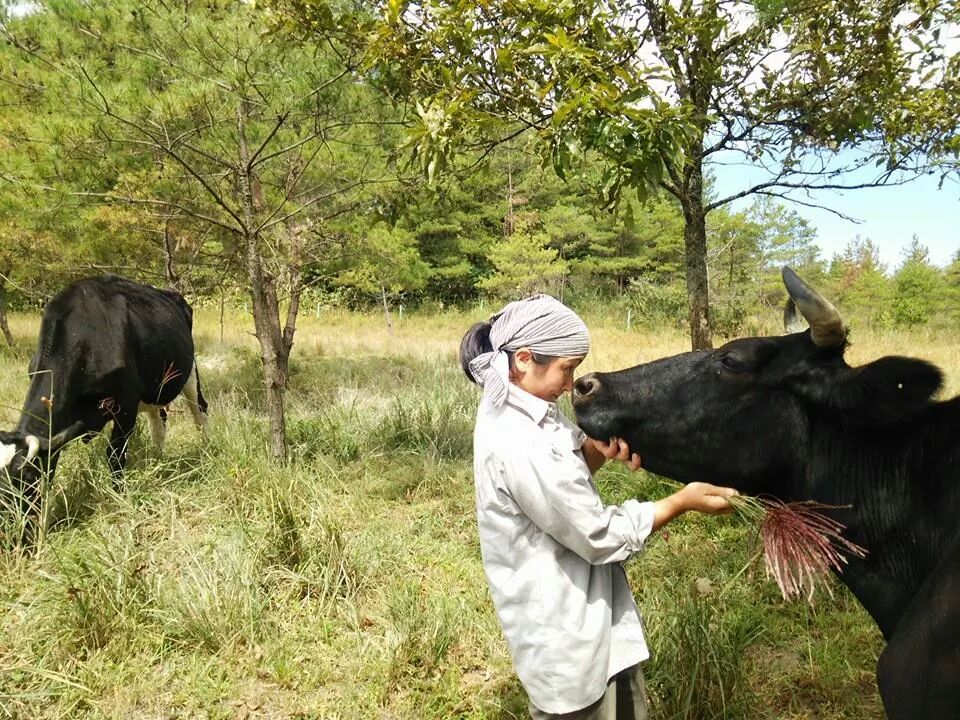
Furthermore, for production, Mui’s support in providing milk from natural pasture-raised cows and processed products enabled us to meet the strict standards of the public health office.
Once again, all over Japan
Hiwa Highlands Milk, once a source of pride for all over Japan, now has a chance to return to the spotlight—thanks to today’s efforts in regional revitalization through premium “A-Class Gourmet” initiatives and the sixth industrial efforts.
The dreams once pursued and achieved by the pioneers of the past are now being reborn—this time in the form of milk jam—carrying that legacy forward for future generations.
This milk jam is filled with the hopes and pride of the local community.